

For centuries, the astronomical traditions of Northern Luzon’s indigenous peoples remained largely absent from mainstream accounts of Philippine science and history. Yet preserved within historical records are traces of sophisticated systems of celestial observation that once guided agriculture, navigation, timekeeping, and community life. Through his study, Langi’, Haynit, Langit: Decoding the Precolonial Astronomy of Northern Luzon, Joshua Jewel L. Palolan reconstructs aspects of this overlooked scientific heritage, shedding light on how indigenous communities understood and interpreted the night sky.
The study examines astronomical terms documented among the Ibanag, Ilokano, and Ivatan peoples in seventeenth-century missionary records. These historical sources preserve an indigenous vocabulary for celestial bodies, seasonal phenomena, and astronomical events, offering rare insights into how Northern Luzon communities observed and made sense of the heavens.
More than a collection of ancient words, the study reveals a knowledge system deeply embedded in everyday life. In precolonial Northern Luzon, astronomy was closely intertwined with subsistence activities, social organization, and cultural practices. Celestial observations helped communities identify the appropriate seasons for planting, fishing, hunting, and travel, while also informing rituals, beliefs, and communal decision-making.
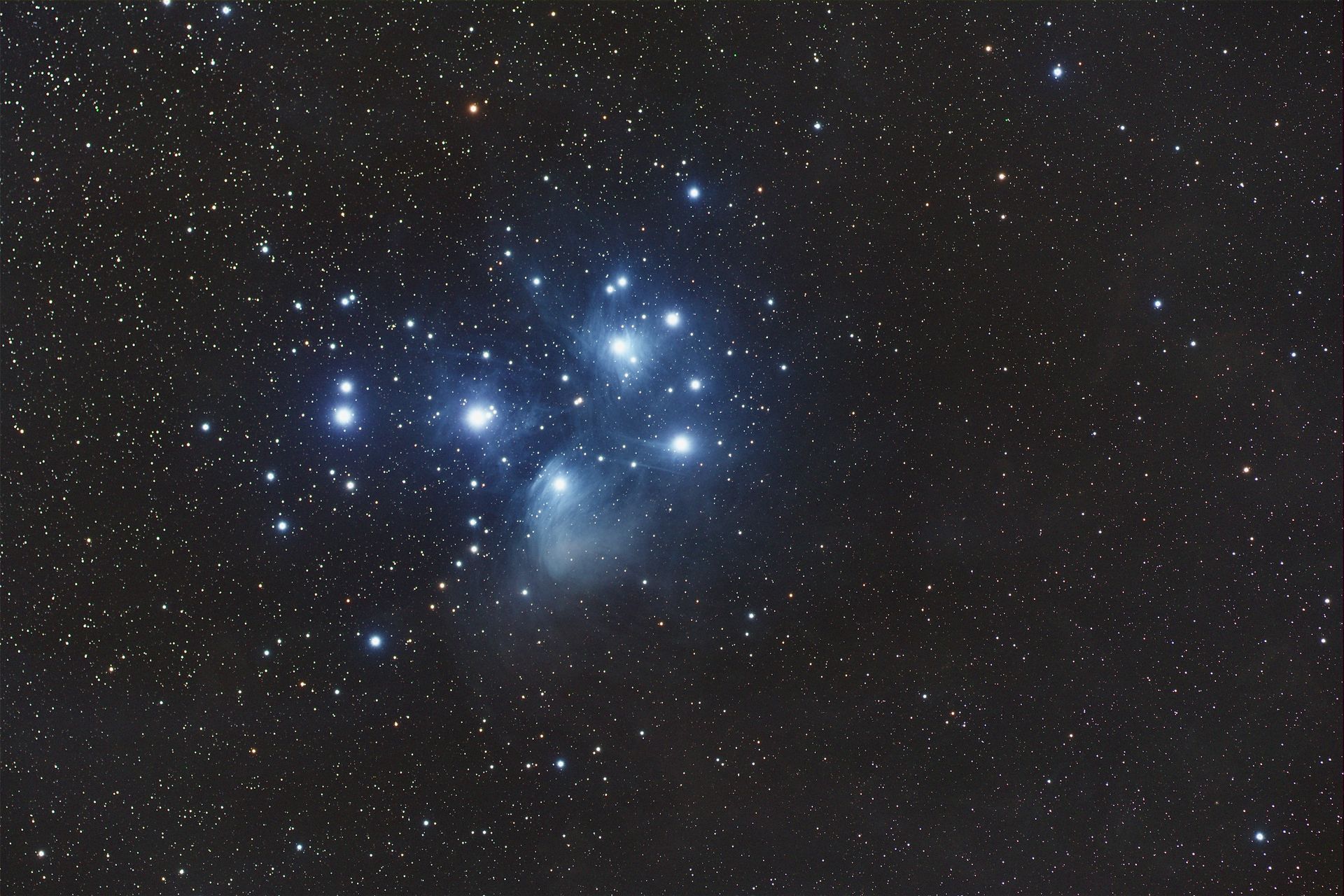
Among the most significant celestial markers identified in the study is the Pleiades star cluster, known as Magaped among the Ibanags, Maroprop among the Ilokanos, and Tayaro among the Ivatans. Its appearance before sunrise signaled the beginning of the planting season. The prominence of the Pleiades in the astronomical traditions of these communities demonstrates how recurring celestial patterns functioned as reliable indicators of seasonal change and served as important tools for timekeeping.
The research also points to the presence of individuals with specialized astronomical knowledge. Terms such as Manguilangui’, Manang’anguit, and Mangalid du vitugen referred to respected figures who interpreted celestial movements and helped guide their communities. Their roles suggest that astronomical observation extended beyond practical concerns, intersecting with navigation, leadership, and spiritual traditions.
The study further highlights enduring linguistic connections across Northern Luzon’s ethnolinguistic groups. Words such as Vulan, Bulan, and Vuhan for moon, alongside Bitun, Bitwen, and Vitugen for star, reveal shared Austronesian roots that have persisted across centuries. These linguistic continuities offer valuable clues about the transmission of astronomical knowledge and the broader cultural relationships among communities in the region.
As the Philippines continues to expand its space science and astronomy initiatives, studies such as Palolan’s contribute an important historical dimension to the field. By reconstructing indigenous traditions of celestial observation, the research broadens our understanding of Philippine astronomy and highlights the diverse knowledge systems that have shaped the archipelago’s relationship with the skies.
References:
PPT_JJLP_Final-20.png
Editorial Disclaimer:
PSSARC is brought to life by a community of unpaid volunteers. Unless explicitly designated as an official organizational statement or press release, all articles represent the personal views of the individual author—not of PSSAR—regardless of the author’s affiliation with the society.
I’m looking forward to listening to this research. Thank you for this offering.
Thanks for reading! Just to clarify: the topic in this article was actually delivered at last year’s conference.
Please stay tuned for this year’s official speech topics, and if you haven’t already, you can register for the event here: http://bit.ly/PSSARC2026Registration